



Plumbing Inspection Procedure: Ensuring a Healthy Home Plumbing System
A thorough plumbing inspection is essential for maintaining the health and longevity of your home’s plumbing system. Routine inspections can help prevent costly repairs, ensure that everything is functioning efficiently, and catch potential problems before they turn into major issues. Whether you’re preparing for a home sale or simply performing routine maintenance, a plumbing inspection is a proactive step toward safeguarding your home.
Why Are Plumbing Inspections Important?
Plumbing inspections identify hidden problems in your system that could lead to more serious issues if left unchecked. Leaks, water pressure problems, clogs, and even pipe corrosion may not always be visible but can cause significant damage over time. Regular inspections allow homeowners to address these issues before they become emergencies, saving both time and money in the long run.
What Does a Plumbing Inspection Include?
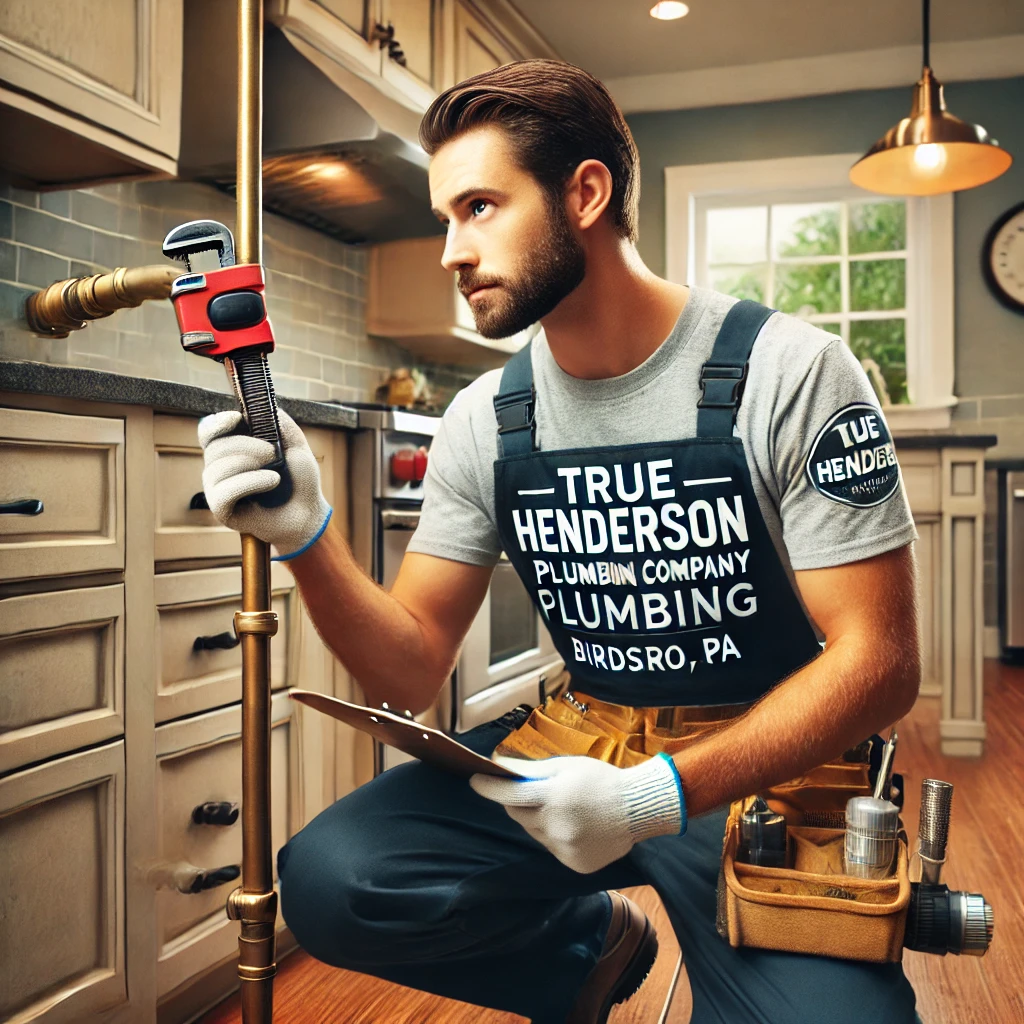
- Visual Inspection: The plumber first performs a detailed visual inspection of all exposed plumbing components, such as pipes, faucets, sinks, toilets, and water heaters. They check for obvious signs of leaks, rust, cracks, or corrosion. Any visible damage is flagged for repair or further examination.
- Water Pressure Testing: Proper water pressure is crucial for the efficient functioning of your plumbing system. During an inspection, the plumber tests the water pressure throughout the home to ensure it is within normal ranges. Low water pressure may indicate hidden leaks or blockages, while high pressure could suggest potential damage to pipes or fixtures.
- Drainage System Check: The plumber inspects all drains in sinks, tubs, and showers for slow drainage, which is often a sign of clogs or buildup within the pipes. Any blockages are identified, and recommendations for drain cleaning may be provided to ensure smooth water flow.
- Leak Detection: Hidden leaks can cause significant damage if left unaddressed. Plumbers use advanced leak detection tools, such as acoustic sensors or thermal imaging, to locate leaks that may be hidden behind walls or underground. This ensures that all leaks, big or small, are detected and repaired.
- Water Heater Evaluation: The water heater is an essential component of your plumbing system. The plumber checks for any signs of wear or inefficiency, such as rust or sediment buildup, ensuring your water heater operates effectively and safely.
By conducting regular plumbing inspections, homeowners can avoid unexpected repairs, improve the efficiency of their plumbing systems, and extend the lifespan of their home’s plumbing infrastructure.


