



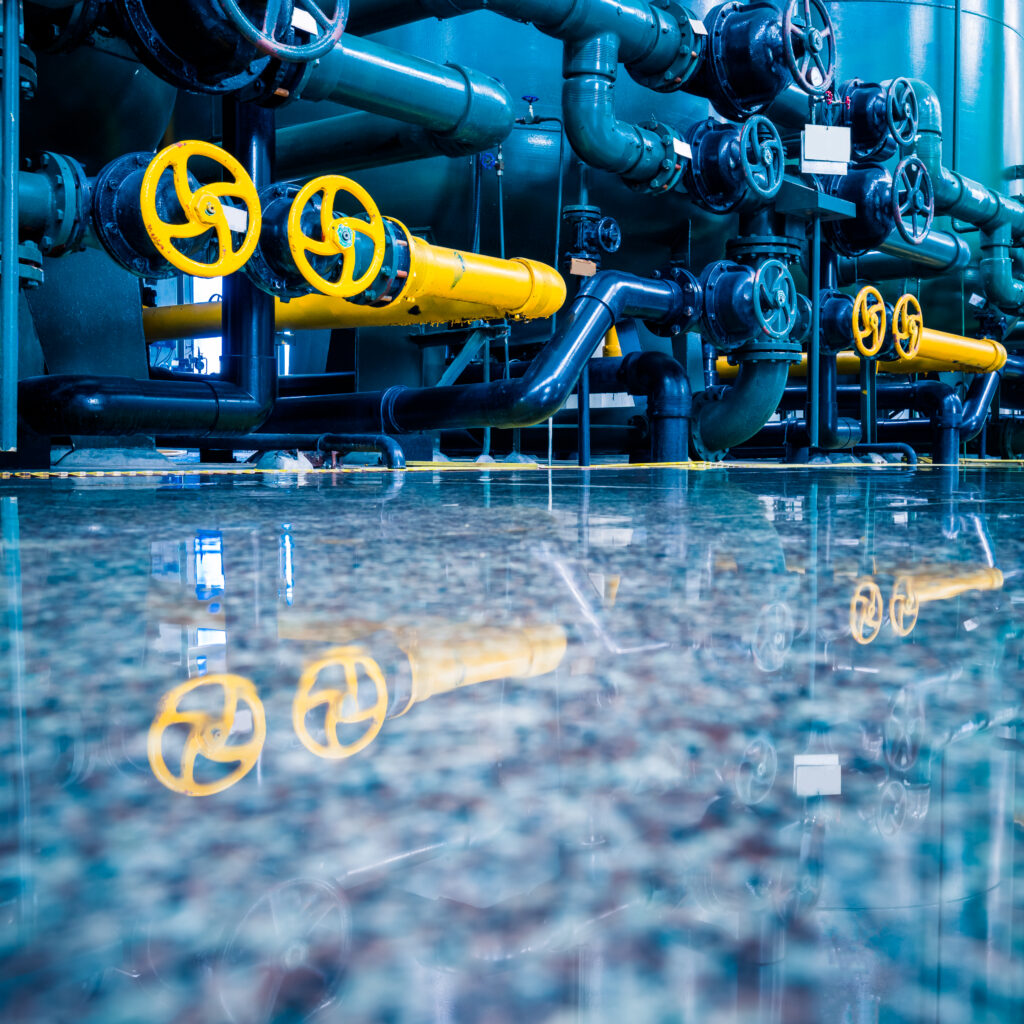
Steel pipes have long been a trusted solution for water treatment systems, and with advancements in manufacturing and materials, modern steel pipes provide even greater durability, efficiency, and longevity. For large-scale water treatment facilities or residential systems, investing in high-quality steel pipes is crucial to ensure the safe, efficient delivery of clean water.
The Advantages of Steel Pipes
Steel pipes, particularly stainless steel and galvanized steel, offer several advantages over other materials like plastic or copper. Their primary benefit is their exceptional strength. Steel pipes can withstand high pressure and extreme temperatures, making them ideal for water treatment plants that handle large volumes of water under variable conditions. Additionally, steel’s durability helps prevent damage from corrosion, impact, or environmental factors, ensuring the pipes last for decades with minimal maintenance.
Steel pipes also have a smooth internal surface, which reduces friction and helps water flow efficiently through the system. This minimizes the risk of clogs or pressure drops and supports a consistent supply of treated water.
Corrosion Resistance
One of the key reasons steel pipes are preferred in water treatment systems is their resistance to corrosion. Galvanized steel pipes, in particular, are coated with a layer of zinc that acts as a protective barrier against rust and other corrosive elements. Stainless steel, meanwhile, contains chromium, which helps the material resist rust and corrosion even in high-moisture environments.
This corrosion resistance ensures that the water traveling through the system remains clean and uncontaminated. Over time, non-corrosive materials prevent leaks and maintain the structural integrity of the pipes, reducing the need for costly repairs and replacements.
Environmental Benefits
Steel is a highly recyclable material, which makes it an environmentally friendly option for water treatment systems. Using steel pipes contributes to sustainability efforts by reducing waste and promoting the reuse of materials. When steel pipes are replaced, they can be recycled and repurposed, minimizing their impact on the environment.
Long-Term Cost Efficiency
Although the upfront cost of steel pipes can be higher compared to other materials, their longevity and low maintenance requirements make them a cost-effective choice in the long run. Steel pipes can handle extreme conditions without the need for frequent repairs, which saves on maintenance costs and downtime. Their durability means fewer replacements over time, making them a sound investment for water treatment facilities and other infrastructure.
Conclusion
For new water treatment installations or upgrades, steel pipes provide unmatched durability, corrosion resistance, and long-term cost savings. Their ability to withstand harsh conditions while ensuring a clean, efficient water supply makes them the ideal choice for any water treatment system.


