


Your home’s plumbing system is one of its most important components, and keeping it in good shape can save you from costly repairs and major headaches. Whether you’re dealing with minor issues or trying to prevent bigger problems, these 10 essential plumbing tips will help you maintain a healthy plumbing system.
1. Know Where the Main Water Shut-Off Valve Is
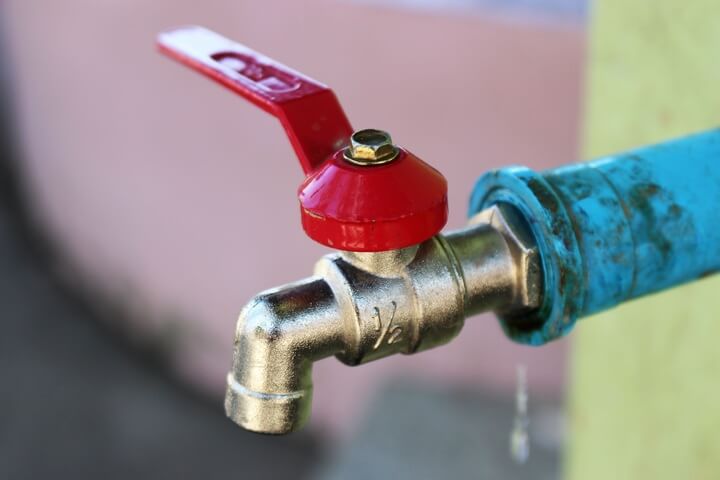
One of the first things every homeowner should learn is where the main water shut-off valve is located. In case of a burst pipe or a major leak, shutting off the main valve can prevent flooding and water damage.
2. Fix Leaky Faucets Right Away
A dripping faucet might seem like a small issue, but it wastes water and can increase your utility bills. Fix leaks as soon as they appear to avoid bigger problems down the line.
3. Avoid Using Chemical Drain Cleaners
While chemical drain cleaners might provide a quick fix, they can damage your pipes over time. Instead, use a plunger, drain snake, or call a professional plumber to clear the clog without causing harm to your plumbing system.
4. Prevent Clogs with Drain Strainers
To prevent clogs in your sinks and showers, install drain strainers to catch hair, soap residue, and debris before they enter the pipes. This simple tool can save you from slow drains and expensive cleaning services.
5. Don’t Flush Non-Flushable Items
Your toilet is designed to handle only human waste and toilet paper. Flushing items like wipes, paper towels, and feminine hygiene products can lead to clogs and potentially damage your septic system.
6. Inspect for Leaks Regularly
Check under sinks, around toilets, and behind appliances for signs of moisture or leaks. Catching small leaks early can prevent significant water damage and mold growth in your home.
7. Insulate Your Pipes in Winter
If you live in an area with cold winters, insulating your pipes can help prevent them from freezing. Frozen pipes can burst, causing major water damage. Pipe insulation is an inexpensive way to protect your home.
8. Use a Plunger Correctly
Every homeowner should know how to use a plunger properly to clear minor clogs in sinks and toilets. Make sure you have a good seal before plunging, and use consistent pressure to dislodge the clog.
9. Keep an Eye on Your Water Heater
Your water heater is essential for daily tasks like showering and washing dishes. Regularly check the unit for any signs of rust or leaks, and schedule annual maintenance to extend its lifespan.
10. Know When to Call a Professional
While many plumbing issues can be solved with DIY methods, some problems require the expertise of a professional plumber. If you’re dealing with persistent clogs, low water pressure, or unexplained leaks, don’t hesitate to call a trusted plumber to handle the situation.
By following these essential plumbing tips, homeowners can keep their plumbing systems running smoothly and avoid costly repairs. Regular maintenance, awareness, and prompt action are key to preventing major plumbing disasters in your home.


